
Brand activation invites people to interact with a brand through an experience designed to prompt action. That action might be trying a product, attending a demonstration, asking a question, signing up, or making a purchase. By giving people a way to participate, brand activation lets a business show the value of its offering in practice, rather than relying on an advertising message alone.
Imagine two people seeing the same skincare promotion. One sees a product photo and a list of benefits. The other feels the product’s texture, speaks with someone who understands their needs, and receives relevant guidance on how to use it. The second person has more information to judge whether the product is right for them. That is where activation can make a difference.
An event or interactive campaign, however, does not automatically produce a useful result. A business needs to decide whom it wants to reach, what experience would help those people, what it wants them to do next, and how it will evaluate the outcome. This guide walks through those decisions.
Brand activation is a set of activities that encourages people to engage actively with a brand. It may take place at a physical location, online, within a community, or across several channels. Its defining feature is participation: people have an opportunity to experience what the brand offers and decide on a next step.
Suppose a workplace equipment brand wants to be known for products that remain comfortable throughout the day. An advertisement can communicate that claim. An activation can let prospective customers try the equipment during a simulated work task, compare options, and speak with a knowledgeable team member. The experience makes the brand’s promise more relevant to their daily needs.
Activation does not have to be large or expensive. A small, well-targeted demonstration can be more useful than a crowded event attended by people outside the business’s target audience. The quality of the interaction, the relevance of the message, and the follow-up often matter more than the size of the event.
These approaches can work together in one campaign, but each serves a different purpose.
| Approach | Primary role | Example |
|---|---|---|
|
Advertising
|
Introduces a message to an audience
|
A video explaining a product’s benefits
|
|
Sales promotion
|
Offers an incentive to buy
|
A limited-time discount or bundle
|
|
Brand activation
|
Invites people to experience and respond to the brand
|
A product demonstration followed by a consultation and sign-up option
|
A product launch might use advertising to invite people to an event, activation to help them understand the product, and an introductory offer to support their first purchase. The connections between those activities should be planned from the start. Otherwise, a campaign may generate visits and interactions without making it clear whether they contributed to the broader business goal.
Brand activation is also closely connected to brand strategy and brand identity. Strategy defines the target audience, the brand’s position in the market, and its central message. Identity helps the experience look and feel consistent. Activation turns those decisions into something people can encounter for themselves.
Activation is useful when a business needs to close the gap between people knowing about a brand and understanding why they might choose it. This need often arises when launching a product, entering a new market, introducing a revised positioning, or selling something whose benefits become clearer after a demonstration.
It can also help when people regularly see a brand’s content but rarely ask questions, sign up, or buy. A direct interaction may reveal what is holding them back. Do they understand the product? Do they need help connecting its price to its benefits? Would seeing it in use make the decision easier?
For a B2B business, activation might take the form of a workshop, solution demonstration, or consultation focused on a prospective client’s specific challenge. For a consumer business, it might involve sampling, an in-store experience, or a community program. The right format follows the way the audience makes decisions.
A useful demonstration begins with an audience problem. Instead of presenting every feature at once, focus on the situation that most often makes prospective customers hesitate. Show how the product is used, what they can observe, and what limitations they should understand.
A workplace equipment brand, for example, could set up a testing area where visitors try several products while performing familiar tasks. Staff members would ask about each visitor’s needs and help them compare suitable options. Those conversations make the experience more relevant while giving the product and marketing teams valuable feedback.
Plan the next step before the demonstration begins. Visitors might receive a product summary, book a consultation, or scan a QR code linking to answers to common questions. The interaction can then continue after they leave.
Samples can make it easier for people to try a product, but distributing as many as possible is rarely a complete strategy. Samples should reach a relevant audience in a setting where people can understand their purpose. An active-lifestyle drink, for example, may be easier to evaluate after an activity than while someone is rushing past a booth.
Tell participants what to pay attention to. Is it the texture, ease of use, flavor, or fit with a particular routine? A short question afterward may reveal useful insights, provided participants know that feedback is being collected and can choose whether to share it.
If the business wants to assess the campaign’s effect, it can use a dedicated code or link. Track how many people tried the product, requested more information, and later purchased. Those figures are more informative than the number of samples handed out alone.
A store gives a business the chance to answer questions while customers are actively considering a purchase. An activation might include a trial area, a short consultation, products grouped by customer need, or demonstrations at scheduled times.
The aim is to remove obstacles. If customers struggle to tell two variants apart, provide a clear comparison. If they are uncertain about how to use a product, show them. If the purchase requires more thought, offer information they can take home or revisit online.
The in-store experience should also match what the brand communicates elsewhere. A promise made in an advertisement needs to hold up when someone talks to a staff member, examines the packaging, and tries the product. Inconsistencies at this stage can delay a decision.
A community can be a good partner when its members’ interests connect naturally with what a brand offers. An activity might be a class, discussion, group project, or opportunity to try a product. Start by understanding what would be useful to the community, then decide how the brand can contribute.
A creative equipment brand, for example, could support a workshop where participants make something of their own. Its products would play a practical role in the activity, while participants gain skills and experience. That connection is more meaningful than adding a sponsor logo to an unrelated event.
Avoid treating every participant as someone ready to buy. Some may be there to learn. Assess whether people understood the brand, found the activity useful, and welcomed further information. A valuable relationship may take time to develop.
Digital activation lets people participate without traveling to a venue. Formats include content challenges, quizzes that help people choose a product, interactive website experiences, and live sessions where participants can ask questions or try an activity.
Keep the instructions short and the purpose clear. Too many steps create unnecessary friction. The activity should also connect to the brand’s value. If a brand helps people organize their workspaces, inviting them to share a small improvement to their desks makes more sense than asking them to post the brand’s logo.
Plan how the team will moderate submissions, answer questions, and request permission before using participants’ content in marketing materials. An interactive campaign needs attention after it launches.
Creators can help audiences see how a product fits into everyday life. Choose collaborators for their audience fit and ability to explain an experience, rather than follower count alone. Give them room to address questions or observations that may genuinely arise while using the product.
For an offering that requires explanation, a creator’s account of trying it may be more helpful than a brief statement that it is “great.” Viewers can see how it is used, when it may be suitable, and what to consider before buying.
Before work begins, agree on the essential messages, rules for product claims, permitted uses of the content, and measurement approach. Dedicated links, campaign codes, and records of incoming questions can help a business understand the collaboration’s contribution.
A good experience does not end when an event closes. Participants may want to revisit specifications, discuss a purchase with colleagues, or compare options a few days later. Design a path from the first interaction to an appropriate follow-up.
After a demonstration, for example, participants could receive a link to a page summarizing the solution and answering common questions. Those who want to talk can book a consultation. Those who are not ready can access educational information without pressure to decide immediately.
The message should remain consistent throughout. What staff promise at the event should match the landing page, follow-up email, WhatsApp conversation, and product experience. Connected touchpoints also make it easier to understand what helps customers move forward.
Want to create an experience that supports your brand strategy? Discuss your brand activation plans with Melon Branding on WhatsApp. Share your target audience, campaign goal, and main challenge so the conversation can focus on your business.
Begin with one primary objective. “Increase awareness” is often too broad to guide execution. Describe what the audience should know or do after the experience. For example: prospective customers in a particular city should be able to explain a new product’s benefit and know where to try it.
Next, identify the audience segment and its obstacles. Review questions sent to the sales team, social media comments, reasons prospects delay a purchase, and situations in which the product is needed. These details help the team create an experience that addresses a real need.
Then design the experience and call to action. What will participants do in the first few minutes? What will they learn? What options will they have afterward? Check that the message, visuals, staff interactions, and supporting materials express the same brand character.
Finally, plan delivery and evaluation. Assign responsibility for materials, staff training, registration, documentation, responses, and follow-up. Decide when the team will review the data. These decisions should be made before launch, while there is still time to set up useful tracking.
Imagine a brand launching a hair care product for people who spend much of their day outdoors. Its team finds that prospective customers understand the product category but are uncertain about when and how to use this particular product.
The brand could offer short consultations in places its target audience regularly visits. Participants describe their routines, watch a demonstration, and receive guidance relevant to their needs. The same information is available on a digital page so they can return to it after the event.
Before the activity begins, the business defines success measures: interactions with people in the target audience, the percentage who try the product, frequently asked questions, visits to the guidance page, and purchases that can reasonably be traced to the campaign. The team also records comments that show whether people understood its main message.
This is an illustrative example. Its lesson is to connect an audience need, a useful experience, and a way to assess the result. A busy booth alone cannot tell a business whether visitors understood the product or knew what to do next.
Choose metrics that match the campaign objective. For a product introduction, look at relevant reach, meaningful interactions, and what participants understood afterward. For lead generation, examine information requests and lead quality. For sales, track identifiable transactions and obstacles along the purchase journey.
| Goal | Possible metrics | Evaluation question |
|---|---|---|
|
Awareness |
Relevant reach, visits, awareness survey responses
|
Do people understand the product and its benefits?
|
|
Participation
|
Trials, questions, completed activities
|
Which parts of the experience encouraged engagement?
|
|
Leads
|
Form submissions, consultations, qualified prospects
|
Did the team reach the right prospective customers?
|
|
Sales |
Campaign code use, purchases, follow-up outcomes
|
Which activities helped people make a decision?
|
Distinguish activity outputs from business outcomes. Attendance, views, and samples distributed describe what the team delivered. Greater understanding, qualified leads, and purchases are closer to the business objective. Both are useful, but they answer different questions.
For digital activity, campaign links with UTM parameters can help identify where visits came from. If the business uses Google Analytics 4, events such as generate_lead and purchase may be configured around actions that actually occur. Google Analytics documentation describes recommended events; implementation should reflect the business’s website and sales process.
Do not assume every purchase made after an event was caused by the activation. A customer may also have seen an advertisement, heard a recommendation, or known the brand for years. Where possible, compare results with a pre-campaign baseline, record other active channels, and use qualitative feedback alongside the numbers.
The first mistake is choosing a format before defining the goal. A team decides to host a large event because it sounds exciting, then looks for a business reason to justify it. Start with the problem the campaign needs to solve and select an experience that addresses it.
The second is pursuing a crowd without considering who attends. An activity may produce plenty of content and foot traffic but contribute little if most participants are outside the target audience. Agree on audience criteria during planning.
The third is neglecting follow-up. People have tried the product or requested information, but there is no supporting material, response process, or responsible team. Questions that arise after the first interaction then go unanswered.
The final mistake is treating one number as proof of success. Views do not necessarily show understanding, and conversations do not necessarily show purchase intent. Examine several indicators along the customer journey to make a more useful assessment.
Brand activation is easier to direct when a team understands its positioning, audience, and main message. Identity guidelines help materials, from a physical booth to a digital page, communicate a consistent experience. These foundations also make it easier to decide which activities to continue or improve.
Melon Branding’s brand strategy services cover areas such as audience research, positioning, and communication direction. These can provide a starting point for businesses seeking to connect strategic goals with experiences their audiences can participate in.
No. Activation can be digital, such as an interactive website experience, a live session, or a community participation program. The best format depends on the audience’s habits and the action the business wants to encourage.
Yes. A small business can begin with a focused demonstration, a collaboration with a relevant community, or a simple in-store experience. Set a realistic goal and choose a small number of metrics the team can monitor consistently.
The goal depends on the business need. Activation can help people discover a product, understand its benefits, try it, ask questions, or take a step toward purchase. Each campaign should have a clear primary priority.
Some responses are visible during the activity, including product trials and questions. Other effects, such as a lead becoming a customer or a change in perception, require follow-up and a longer observation period. Define the evaluation window before launch.
Experiential marketing focuses on using experiences to engage people. Brand activation has the broader purpose of prompting people to discover, experience, or respond to a brand. An in-person experience can be one form of activation.
Look at whether the participants match the target audience, understand the main message, complete the activity, and know their next step. If the campaign is busy but people still leave with basic questions unanswered, improve the experience and supporting information before expanding it.
Brand activation turns a brand message into an experience people can take part in. It is most useful when that experience addresses a genuine need, reflects the brand’s identity, and gives customers a clear next step. Audience insight, messaging, delivery, and measurement therefore need to work together.
Begin with one question: What should people understand or do after interacting with your brand? A specific answer will help your team choose an activation format, prepare follow-up, and judge whether the campaign served its purpose.
Ready to discuss your next step? Contact Melon Branding on WhatsApp to talk about your business’s brand activation needs.
Dapatkan brand book yang konsisten dan strategi komunikasi yang tepat untuk bisnis Anda.
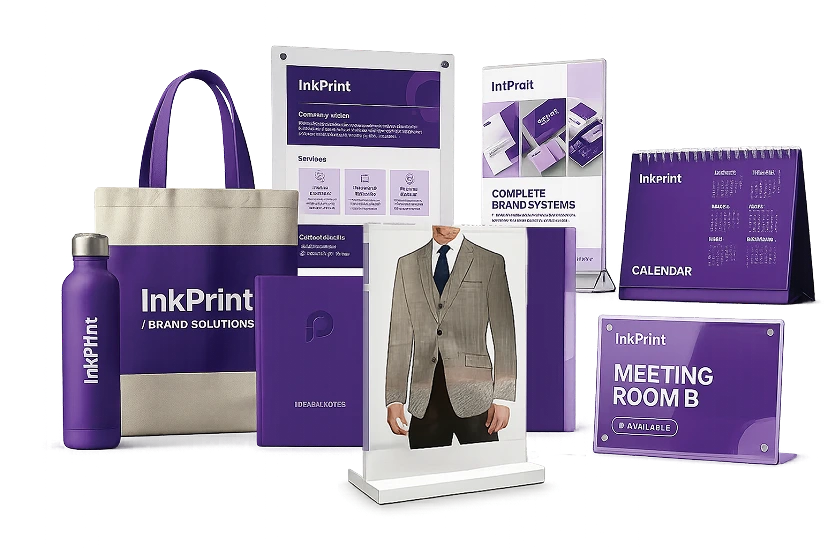
Cetak kartu nama, packaging, merchandise, dan perlengkapan promosi sesuai kebutuhan bisnis Anda.