
Creative agency describes a team that develops ideas, messages, and communication materials to help a business reach its audience. Its services may include creative strategy, design, content, photography, video, websites, and campaign concepts. The scope depends on the client’s needs and the project agreement.
An agency can support a business whose internal team has ambitious plans but limited time or specialist production skills. The quality of the result, however, also depends on collaboration. The business needs to explain its challenge, share accurate information, provide focused feedback, and identify who can approve important decisions.
Imagine a company preparing to launch a new product. It asks for “an engaging video” without defining the viewer, the message, or the next step. The agency could produce a polished film, yet both teams would struggle to decide whether it solves the business problem. A stronger starting point describes what the audience needs to understand and what the video is expected to support.
This guide covers the role of a creative agency, its working process, and seven practical ways to make a project clearer from the first brief to the final review.
A creative agency develops communication solutions by bringing strategy, ideas, design, and production together. The output may be a brand identity, campaign, photograph, video, website, or a coordinated set of materials across several channels.
The work begins with understanding the objective. The creative team needs to know whom the business wants to reach, what those people already understand, what message matters most, and what action may follow. That knowledge helps it select both the concept and the format.
For instance, a short video can quickly demonstrate a process, while a website page gives an interested customer room to review details. A sales presentation must support a conversation with a potential client. These materials can express the same central message without using an identical structure.
A useful creative deliverable should come with clear reasoning. The business needs to understand why a particular direction fits its audience. The people implementing it need to know how the concept should be used.
Creative, branding, and advertising agencies often provide overlapping services. Their usual points of emphasis can still help a business frame its request.
Agency type | Common focus | Example work |
Creative agency | Concepts and communication materials | Campaign ideas, design, content, photo, video |
Branding agency | Brand direction and identity | Positioning, messaging, identity, guidelines |
Advertising agency | Paid advertising communication and delivery | Ad creative, media placement, campaign execution |
These are broad descriptions, not fixed boundaries. A creative agency may include brand strategists and digital marketers. A branding agency may also produce campaign content. Review the proposed team and deliverables rather than assuming a company’s name defines everything it can do.
When a business has no agreed message, some strategic work may be needed before large-scale production. When its brand direction is clear but it lacks campaign assets, a project may focus on creative development and execution.
A business may need creative support for a product launch, a new campaign, or a refresh of customer-facing materials. A launch can require a key message, photography, videos, a landing page, and social assets. Keeping those pieces connected takes planning and coordination.
Another need appears when different teams communicate in different ways. The website may describe a service differently from a sales deck. Social posts may use visuals that do not reflect the product experience. A creative partner can help organize the message and develop materials around a shared direction.
An agency can also add capacity to an internal team that already has a strategy. The division of responsibilities should be clear. The internal team may own product accuracy and final approval, while the agency develops concepts, copy, design, and production.
Start by identifying the problem. “We need more content” describes an output request. “Potential customers do not understand the difference between our services” describes a communication challenge that can guide the right output.
A project may begin with creative strategy. This involves understanding the audience, defining the central message, choosing a story angle, and developing the idea that connects different materials.
It may then move into design and content production. Deliverables can include social content, presentations, company profiles, packaging, web pages, photography, and video. Each asset should have a role. Introductory content helps people discover an offer; consideration content answers more detailed questions.
Some projects require adaptation across channels. A campaign idea might appear as a video, static image, in-store display, and digital page. Adaptation is more than resizing. The amount of information, viewing distance, and audience behavior differ across formats.
The agency may also support publication and review, or it may hand off finished assets to the client. Confirm who will upload content, run advertising, answer audience responses, and report performance. Those responsibilities should be explicit in the scope of work.
The process usually starts with a briefing. The business explains the challenge, goal, audience, product, channels, schedule, and budget. The agency asks questions to clarify what needs to change.
The team then researches the context and develops concepts. A concept presentation should show the main message, the reason behind the idea, examples of its application, and its relevance to the audience. Client feedback checks that the proposed direction reflects the realities of the business.
An approved concept moves into production. Copywriters, designers, photographers, video teams, or developers may contribute depending on the project. Product claims, visual details, and format requirements are checked before the assets are finalized.
Approval, delivery, and review follow. Agree on which file formats the business will receive and what guidance another team may need to implement the work correctly.
Describe what needs to change before choosing the asset. “Prospects cannot understand our service process” provides a better starting point than “make a company profile video.”
A defined problem lets both teams explore suitable solutions. A video might be appropriate, but the discussion may also reveal that the service page or sales materials need attention. Format decisions become stronger when they follow audience needs.
Share what has already been tried. If a previous campaign brought many visitors but few inquiries, that information can help the agency avoid repeating an approach that did not resolve the issue.
A useful brief identifies the objective, audience, essential message, product constraints, channels, deadline, and decision-maker. Add existing brand guidelines and any information that must be checked for accuracy.
Give the agency room to propose solutions. If the business specifies every frame and line before the creative discussion begins, the team has little opportunity to develop a more suitable approach. Define the desired outcome and necessary boundaries, then examine the ideas produced.
Agree on what the finished material needs to accomplish. It may need to explain three service stages clearly, help viewers distinguish two products, or guide the audience to an appropriate next step.
Creative work is made for the people who will encounter it. Ask what they already know, what they find confusing, and where they will see the message. Someone watching a short video on a phone has a different context from a prospect reading a detailed sales proposal.
For YouTube video ads, Google describes attention, branding, connection, and direction as four creative principles. This framework can help a team discuss whether a video attracts attention, identifies the brand, relates to viewers, and offers a clear action. It is guidance for that format and should be applied in light of the campaign goal. YouTube Ads
Discuss these choices before production. Decide when the product should appear, what the audience needs to see demonstrated, and what action is reasonable to request.
A proposal should list the deliverables, number of concepts, asset formats, sizes, revision rounds, and post-delivery support. “One campaign” can mean different things to different teams, so specific descriptions are valuable.
Set approval points throughout the process. Approve the concept before filming, review the script before production, and inspect final assets before publication. Staged decisions reduce the likelihood of major changes after substantial work has been completed.
Have one person collect internal feedback. Several departments can contribute, but the agency needs a clear final direction. Conflicting requests sent separately can slow the project and weaken the concept.
Comments such as “make it more exciting” or “make it feel premium” leave considerable room for interpretation. Identify what is not working and connect it to the objective. For example: “The opening does not show the customer problem,” or “The text will be difficult to read on a phone.”
Review the work against the brief. If the asset needs to explain a process, check whether the sequence is understandable. If the campaign needs to make the brand recognizable, examine whether its identifying elements appear clearly.
Specific feedback helps the agency make useful revisions. The agency should also explain when a requested change may obscure the message and propose another way to address the concern.
Have a campaign idea or brand material to develop? Discuss your creative project with Melon Branding on WhatsApp. Share your goal, audience, and the materials you already have.
Creative assets are often reused. A campaign photograph may later appear on a website. A video may be edited into shorter advertisements. A design element may become part of another promotion. The agreement should explain which assets are delivered and how the business may use them.
WIPO advises businesses to ensure that rights to work created by someone else match their needs. Having access to an image, video, document, or other creative file does not by itself explain every permitted use. Specific terms depend on the agreement and applicable rules. wipo.int
Ask whether the handover includes ready-to-publish files, editable working files, or both. Discuss third-party materials such as stock images, fonts, music, and talent appearances. These details matter if the business expects to adapt the campaign later.
A creative project cannot always be judged by one metric. If its purpose was to clarify a service, examine whether prospective customers understand the process and whether sales staff can use the new material. For a digital campaign, views, clicks, inquiries, and subsequent actions may all be relevant.
Agree on measures before the project starts. The number of videos produced describes an output. Better audience understanding or more suitable inquiries may describe an intended outcome. Both matter, but they answer different questions.
Consider factors beyond the creative assets. An unclear landing page, unavailable product, or slow sales response can affect campaign results. A useful review helps the business and agency identify improvements each can actually make.
Imagine a business introducing an interior consultation service for small business owners. Its initial brief might include:
Brief element | Example |
Problem | Prospects assume the service is only for large projects |
Audience | Owners preparing to improve a small shop or office |
Objective | Explain the service and encourage consultation requests |
Key message | The process begins with the space’s needs and can be discussed according to project scale |
Channels | Website, Instagram, and sales presentations |
Constraint | Do not promise a price or timeline before reviewing requirements |
Next step | Submit a form or contact the team for an initial discussion |
This brief gives the agency a meaningful starting point without requiring the client to prescribe the final format. The agency could propose a process video, a relevant project example, and a page answering common questions. The business can then assess the ideas against its budget and ability to follow up.
The example is illustrative. The exact information will vary by project, but the relationship between the problem, audience, message, and intended action should remain clear.
Start with the portfolio and ask about the work behind the images. What challenge did the client bring? Why was a concept selected? Which assets were produced, and how were they used? Context reveals more than visual preference alone.
Look for a team that can explain its decisions plainly. A good partner connects creative choices to the audience and business goal. It should also tell the client what information and approvals are needed to do the work well.
Compare proposals by scope, team, review process, deliverables, and implementation support. Price matters, but two prices may represent very different levels of work. Make sure the proposals address the same need before comparing them.
Finally, consider how the teams communicate. Creative work requires discussion, feedback, and decisions. A workable schedule and clear responsibilities help both sides maintain the quality of the result.
Melon Branding’s services include brand development and strategy alongside website, social media, digital marketing, and photography services. These capabilities can help a business connect its brand direction to materials people actually encounter. The precise project scope should be defined around the business’s needs. MELON
Before starting a conversation, gather current materials, describe the outcome you want, and identify what is not yet working. Concrete examples help establish priorities for the project.
No. Depending on its capabilities, it may also develop creative strategy, copy, campaign concepts, photography, video, and digital materials. Confirm the services included in the proposed scope.
Prepare a business overview, target audience, project goal, product information, existing materials, timeline, budget, and approval owner. The brief can be refined together, but these details give the discussion a useful starting point.
Yes. A project can focus on one important problem, such as launch materials or a clearer service explanation. A defined scope helps the business spend on its most immediate need.
Timing depends on research, the number of concepts, production requirements, and approval stages. A simple photo project and a campaign across several channels require different schedules. Agree on timing after defining the work.
Creative work can support marketing, but sales also depend on the product, price, distribution, customer experience, and follow-up. Define measurable expectations that reflect the agency’s agreed responsibilities.
The answer depends on the agreement and the rights attached to each asset. Review the contract, delivered file types, third-party permissions, and intended future uses before production begins.
A creative agency helps turn a business objective into messages, concepts, and materials ready for use. Collaboration works best when both teams agree on the problem, audience, scope, approval process, and way the result will be assessed.
A clear brief provides direction. Specific feedback improves the work. A careful handover makes it easier for the business to use the final assets across the channels that matter.
Want to discuss a creative project for your brand? Contact Melon Branding on WhatsApp.
Dapatkan brand book yang konsisten dan strategi komunikasi yang tepat untuk bisnis Anda.
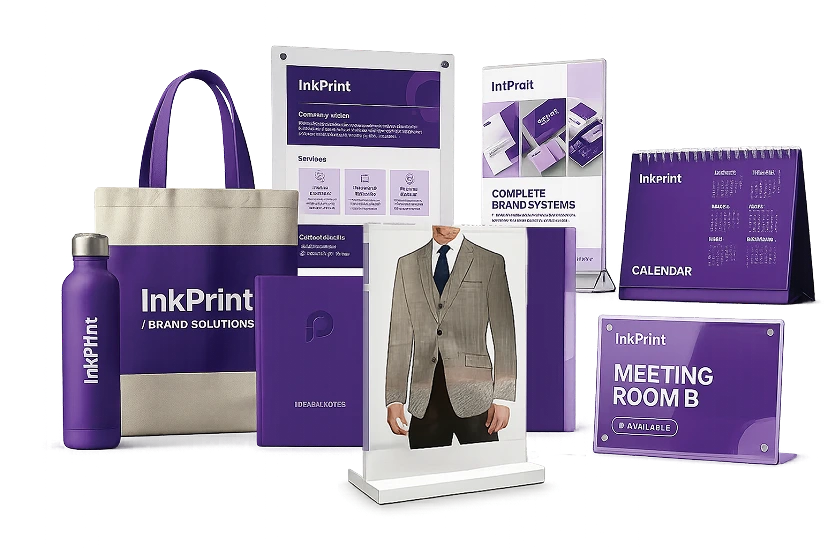
Cetak kartu nama, packaging, merchandise, dan perlengkapan promosi sesuai kebutuhan bisnis Anda.